
Rail Drilling
Built for the Demands of Modern Rail Infrastructure
Get a Free Quote From Us Today!
We aim to get back to you in 24 hours.
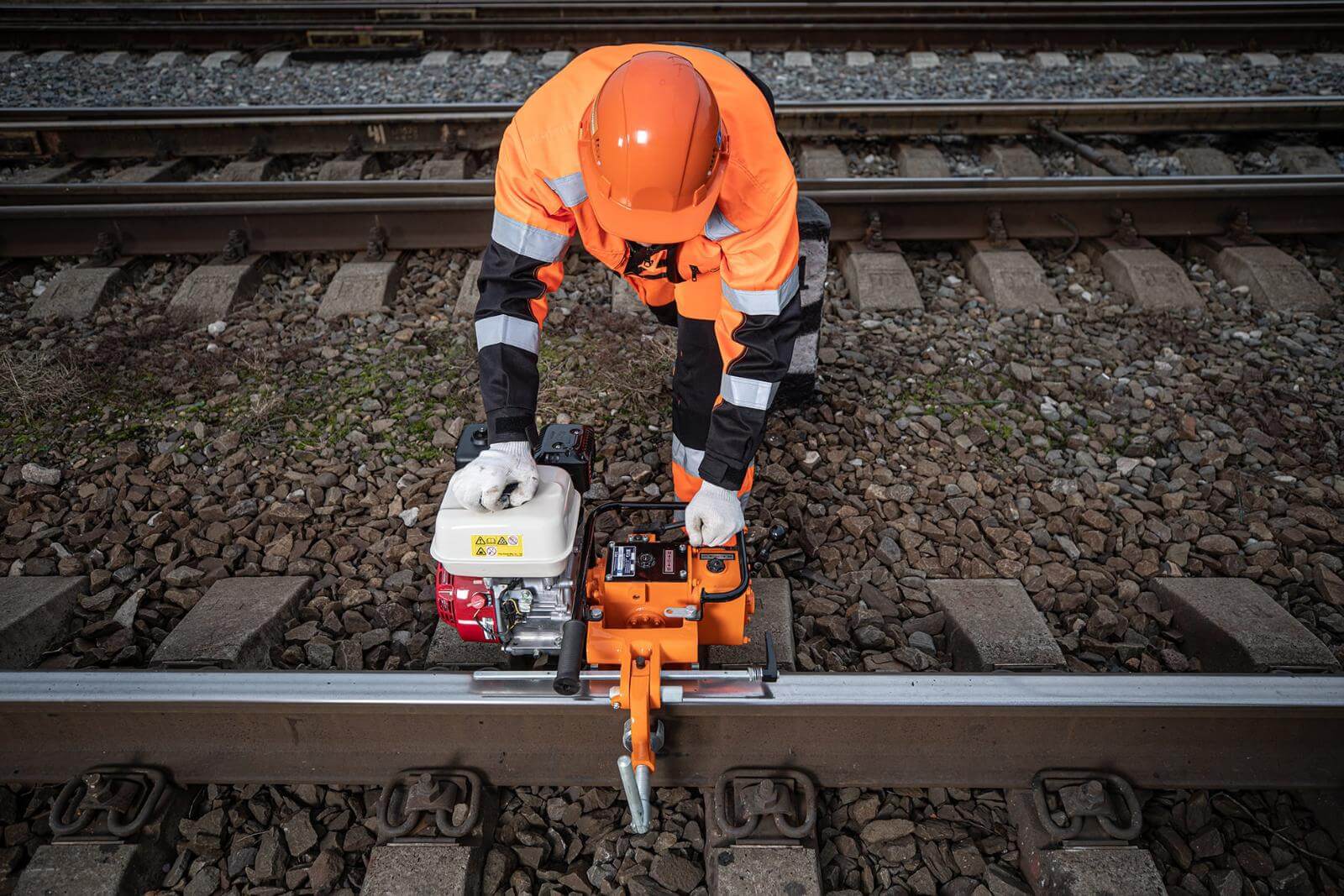
At Rail Drilling, we provide specialist drilling services for railway infrastructure, track installations, maintenance works, and rail engineering projects across the UK. Our service focuses on delivering precise, efficient, and compliant drilling solutions for rails, track components, and associated railway structures.
By employing high-torque machinery and calibrated templates, rail drilling ensures accuracy, operational reliability, and full compliance with industry standards to support critical transport networks while maintaining the structural integrity of the track assets.
Our specialist drilling solutions help railway operators maintain safe, efficient, and high-performing track infrastructure with minimal operational disruption.
Contact Rail Drilling today for expert railway drilling and infrastructure support.
Get a Free No Obligation Quotation Today
Why Should You Choose Professional Rail Drilling Services?
Choosing the expert team for rail drilling ensures that your structural project benefits from industry-leading engineering and state-of-the-art machinery. Professional technicians possess specialised technical knowledge to design robust mounting systems for rails that generic providers may overlook.
Selecting rail drilling ensures that all operator training is verified, resulting in improved safety and a seamless engineering workflow on every track infrastructure project.
What Services Are Included in Rail Drilling?
Technical support and precision track preparation provided by rail drilling deliver a comprehensive solution for infrastructure maintenance and installation:
- Fishplate Hole Drilling – Creating exact apertures for rail joints to facilitate structural track connections and continuity.
- Bonding and Earthing – Preparing the rail web for electrical connections to support traction return and lightning protection.
- Signalling System Preparation – Drilling precise holes for the mounting of transponders, axle counters, and trackside sensors.
- Insulated Block Jointing – Creating technical penetrations for electrical isolation systems required in modern railway signalling.
- Track Modification Support – Providing custom drilling solutions for temporary track alignments or permanent structural upgrades.
Where Can Rail Drilling Be Carried Out Across Railway Infrastructure?
The versatile systems used for rail drilling are applicable across high-capacity mainline tracks, light rail systems, and private freight networks. Our technicians operate within heavy-duty depots for maintenance and on high-speed corridors for infrastructure upgrades.
Furthermore, rail drilling supports industrial port lines and metro networks, providing accurate penetrations for signalling and power systems in diverse operational environments.
When Should You Arrange Rail Drilling Services?
You should select rail drilling whenever track maintenance or new signalling installations require non-destructive penetrations through high-tensile steel. Choosing rail drilling is essential when installing fishplates or when upgrading bonding connections during a track renewal programme.
Promptly utilising this method prevents the mechanical fatigue associated with standard hand-held tools and ensures that all signalling mounts align with specified network standards.
What Types of Rail Drilling Applications Are Available?
Specialised machinery configurations are provided through rail drilling to handle varied track profiles and engineering demands:
- Standard Joint Drilling – Precision circular openings for traditional fishplate bolts and rail joinery.
- Signal Hardware Mounts – Accurate drilling for the installation of essential trackside communication and monitoring equipment.
- Power Return Bonding – Specialised penetrations for heavy-duty copper bonding used in traction current return systems.
- S&C Component Drilling – Technical holes for switches and crossings where geometry and placement are safety-critical.
- Insulated Block Joints – Creating pathways for non-conductive materials to prevent signal interference between track sections.
Which Rail Operators, Contractors, and Infrastructure Projects Need Rail Drilling?
Professional sectors requiring high-precision structural alterations rely on rail drilling to maintain rapid build cycles. Specialist signalling contractors and track engineers utilise these systems to move building services through track levels efficiently.
Additionally, rail drilling supports local transit authorities managing metro refurbishments and infrastructure managers performing structural strengthening on major civil assets like bridges and tunnels.
How Much Does Rail Drilling Cost?
The cost of rail drilling ranges from £150 to over £2,500 per site visit, depending on the hole diameter, the grade of the rail steel, and track access constraints.
Technical cost drivers include the volume of electrical bonding holes required, the necessity for insulated joint preparation, and the mobilisation of electric rigs to remote sites. Furthermore, the duration of planned possession periods and the requirement for specialised site protection influence the final project expenditure for the network operator.
Contact Rail Drilling to get customised prices for rail drilling at your property.
Request a free quote
How Does the Rail Drilling Process Work?
The engineering workflow followed by rail drilling follows a disciplined sequence starting with a review of network specifications and utility scanning. Our technicians secure the calibrated rail rigs to the substrate to facilitate a stable cutting action, ensuring the bit remains perfectly aligned.
The final stage of rail drilling involves the verification of diameters and the application of anti-corrosive coatings to ensure the opening meets strict industry tolerances.
How Quickly Can Rail Drilling Services Be Scheduled and Completed?
Project mobilisation for rail drilling typically reaches the operational phase within 24 to 48 hours of site approval.
Most standard service penetrations are completed by rail drilling within a single day, depending on the access windows. Efficient rigging ensures that the track remains operationally ready with minimal disruption to train movements, allowing project managers to meet strict possession deadlines.
What Rail Industry Standards and Safety Regulations Apply to Rail Drilling?
Every project managed by rail drilling adheres strictly to network rail standards and the construction design and management regulations. We verify that all mechanical components meet PUWER 98 requirements and that every technician is PTS-certified for trackside working.
Adhering to these rigorous codes through rail drilling protects the health of the workforce from hazardous dust while providing property owners with legally defensible documentation.
Contact Rail Drilling for a consultation to get rail drilling tailored to your organisation’s risks and responsibilities.
speak with our team today
What People are Saying About Us
★★★★★
“We required urgent drilling works during a scheduled possession window, and the team delivered flawlessly. Their speed and accuracy helped us complete the rail upgrade on time.”
Rhys Bennett
London
★★★★★
“Rail Drilling provided excellent support for our signalling installation project. Every hole was drilled with precision and in full compliance with network requirements.”
Leila Morgan
London
★★★★★
“Their engineers were professional, efficient, and highly knowledgeable about trackside safety procedures. The project ran smoothly from start to finish.”
Sophie McAllister
London
★★★★★
“The accuracy of their drilling work significantly reduced installation time for our bonding systems. Reliable service with excellent technical expertise.”
Alistair Hughes
London
Our Locations
We are proud to work nationally across the UK, allowing us to ensure we can provide services to you.
For a full list of counties we cover in the UK, see below.